




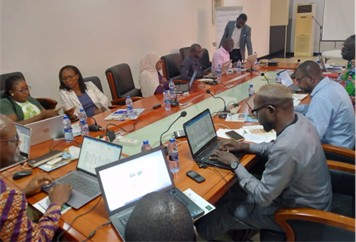
Strengthening governance systems and climate adaptation planning, budgeting, and reporting in key MDAs. Building institutional capabilities at national and regional levels for gender responsive climate adaptation and supporting the implementation of the National Adaptation Plan (NAP) by increasing access to climate finance.

Financing local gender-responsive climate adaptation initiatives in five MMDAs. The grants provided through national systems will support climate change adaptation efforts, such as climate-smart agriculture, water resource management, irrigation, climate-resilient livelihoods, and women in agricultural value chains. Projects are co-designed between MMDAs and local CSOs.
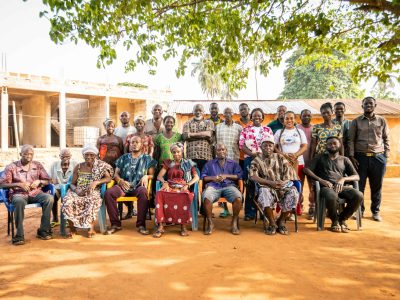
Strengthening sub-national capacities for adaptation planning by working with RCCs to provide support to MMDAs in the Northern and Volta regions to plan, fund, implement, monitor and report on climate adaptation initiatives. This includes strengthening collaboration and accountability with women-led CSOs and communities.
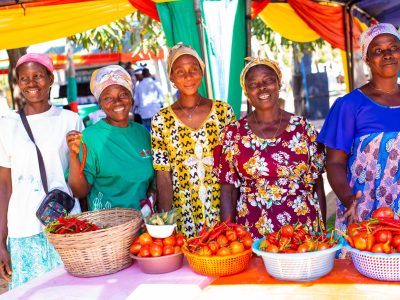
Partnering with national and local women-led CSOs to increase their capacity and influence on gender responsive climate adaptation. Enhancing the participation and influence of women in government’s adaptation planning, budgeting, and reporting processes. Building their capacities to advocate and engage with government and communities, raising climate change awareness and highlighting the priorities of women and vulnerable groups.

