




Evidence-based climate adaptation planning helps to make informed decisions for designing and implementing adaptation solutions. In order to strengthen locally driven evidence-based adaptation planning in Ghana, SIGRA conducted an initial district level climate change vulnerability and adaptation needs assessment for informing and finalizing the design and scope of grant funded projects. The vulnerability assessment process used a bottom-up approach for understanding climate change vulnerabilities at the local level by assessing exposure, sensitivity and adaptive capacities and prioritizing locally led gender inclusive adaptation needs. To assess sectoral climate vulnerabilities, a horizontal cross-sectoral analysis was conducted by reviewing sectors such as agriculture, health, water, WASH, gender, livelihoods and biodiversity. The methodology for the assessments were based on the EPA framework for understanding the vulnerability of communities to climate change and the coping capacities of communities.
The figure below summarizes the conceptual framework adopted for the initial vulnerability assessment for prioritizing adaptation needs and interventions for development of SIGRA grant projects.
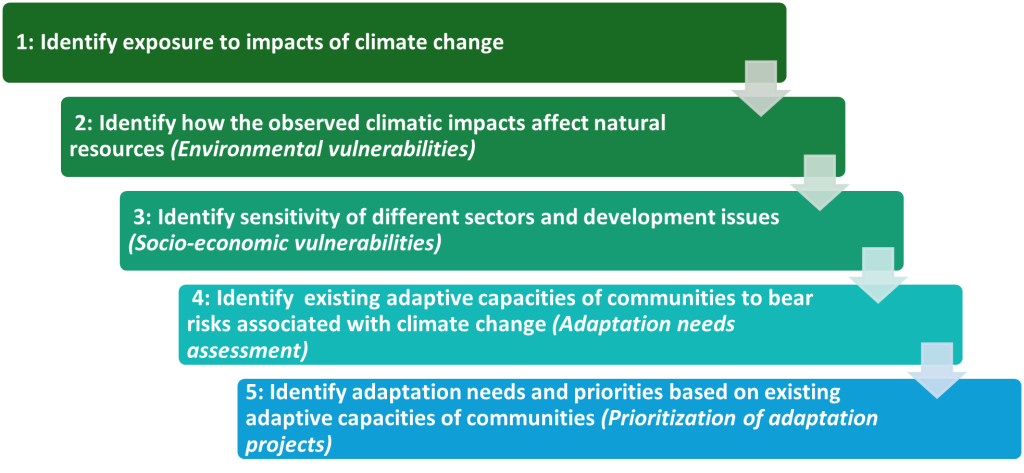
Figure 1: Conceptual framework for initial vulnerability assessments conducted by SIGRA
Process
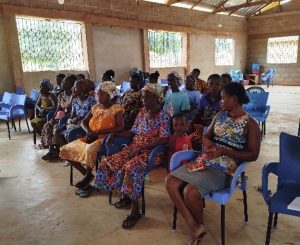
The rapid vulnerability assessment was rolled out as a qualitative study based on a detailed and integrative data collection approach, including a secondary literature review, focus group discussions (FGDs), validation workshops, community observations, and key informant interviews. Three (3) FGDs were conducted in each district including three (3) different community groups (women group, men group and mixed group). Different communities were consulted in each district:
- Agbledomi community in Analoga district and Ave Havi community in Akatsi North district, Volta region
- DC Kura community in Mion district, Kumbungu community in Kumbungu and Wulensi community in Northern Region
In each district, people with diverse livelihood and socio-economic background (farmers, labourers, small traders, fishers); vulnerable and marginalized groups (people with disabilities, single parents, etc.) were engaged for FGD sessions.

Table 2: Stepwise process adopted for initial vulnerability assessment
 Based on a participatory approach, the process was co-led by the district assemblies and local CSOs as implementing partners and SIGRA as a technical partner. The multistakeholder partnership ensured the ownership of the district assemblies in championing evidence-based adaptation planning in respective districts. As a technical partner SIGRA designed the methodology and trained the district assemblies and CSO partners for its implementation. The implementation of district led vulnerability assessment also built the capacities of district assemblies and CSO partners in conducting participatory assessment to assess climate change vulnerabilities of the local communities and recognizing their adaptation needs and priorities for development planning and budgeting. Targeted FGDs with women community groups ensured that gender-inclusive adaptation needs were integrated into the assessment process. The SIGRA led initial vulnerability assessments serve as a critical foundation for evidence-based adaptation planning at district level and creates opportunity for the district assemblies to pursue climate finance funds that require strong climate rationale and evidence for project approval. It also forms a basis for conducting detailed climate studies and vulnerability assessments that seek to integrate qualitative insights into climate modelling scenarios and macro level quantitative analysis.
Outcome
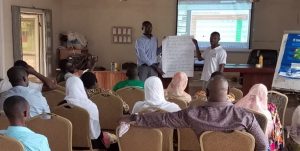 The vulnerabilities informed a number of prioritised adaptations needs to enhance the resilience of the district’s communities, that would enable them to better cope with the impacts of climate change and safeguard their livelihoods. The selection of these priority areas was achieved through an inclusive process involving key stakeholders, ensuring that the identified needs align with community priorities. Adaptation priorities of the community were subsequently validated in a district level validation workshop with active participation from district officials, local CSOs, community representatives (including women and vulnerable groups) and the SIGRA team. The validation workshop aimed to prioritize adaptation interventions based on the parameters of feasibility, climate change relevance, cost-effectiveness, gender inclusivity, and sustainability. The process also ensured the selection of adaptation actions that prioritized community climate resilience over individual and development needs and selected options to meet the budget envelope of SIGRA grants. The vulnerability assessment process serves as a keystone for locally led climate adaptation to integrate local knowledge and understanding of climate impacts in decision-making, planning and resource allocation.
In the five SIGRA target districts, key vulnerabilities identified included:

Table 3: Key climate vulnerabilities identified in the SIGRA target districts
“Water tables drop down in the borehole and there are particles of sand in the water. Women and girls spend more time fetching water due to reduced water availability. Borehole mechanization will make the existing boreholes more user-friendly and save our time.”-
Community Member (Akatsi North)
“Access to dam will solve our problems for both domestic water supply and irrigation. It is the most important priority for us if we want to increase crop production or income- without water we cannot increase our agriculture production. A dam will make a lot of difference”-
Community member (Akatsi North)

